It is common knowledge that fresh foods are far better than anything that is pre-packaged, processed or purchased from a fast food outlet. Sadly, despite this knowledge, only a small percentage of people actually eat fresh foods on a regular basis and this is like playing slot machines online with your health. When a person is physically active and wishes to maintain the best level of health possible a diet packed full of fresh foods is recommended.
For athletes eating quality fresh food is critical to achieving optimum performance, maintain a healthy weight and retain/build muscle. As food is fuel it is important that athletes put the best possible ‘fuel’ into their bodies. That ‘fuel’ is then turned into energy that allows an athlete to be in the best physical shape they can be. Food can be instrumental in helping the brain to function at its best too, allowing an athlete to focus on achieving his or her best results.
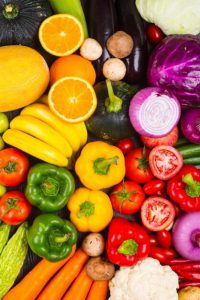
Typically when we talk about fresh foods we think of raw foods. While it is important that some foods be eaten raw it is not critical that all foods be eaten in their uncooked state. Provided the foods are at their freshest when being prepared and turned into a cooked meal there will still be plenty of nutritional value left in them. Cooking does, however, reduce the health benefits of many raw foods which are why eating some raw is advised.
Wherever possible an athlete should purchase and eat organic foods. Why? Organic foods have not been subjected to fertilizers and pesticides and therefore represent better nutritional value. This is not always feasible but should be the first choice when available.
Raw foods provide the enzymes an athlete’s body needs to effectively convert food into energy. When the body doesn’t receive those enzymes from food it has to produce them. The body uses energy to produce those enzymes that an athlete needs to perform. Eating raw foods allows an athlete to convert food into the energy he or she needs to perform.
Athletes burn a lot of calories every day. Ensuring they get adequate caloric intake is essential, but as everyone knows not all calories are equal. Calories are essential to both building and maintaining muscle mass so it makes sense that an athlete needs to make every calorie count. Eating foods that contain the best nutritional value allows an athlete to consume sufficient calories to produce the amount of energy they require. While low quality food will provide calories those same foods are unlikely to contain the vitamins, minerals and antioxidants an athlete’s body requires.
So what constitutes good quality foods for athletes? Fresh fruit, vegetables, grains and lean meats. Athletes require protein to insure their muscles retain good mass and this can be obtained from lean meats, dairy and vegetables. A good supply of carbohydrates and fats is also required as part of a healthy, nutritious diet.
The type of foods an athlete should include in a healthy diet is as follows:
Whole grains

Whole grains are a very good source of carbohydrates and fiber. Whole grains also provide a small amount of protein, as well as being the source of Vitamin B and Zinc. To get a good variety of whole grains an athlete should choose quality breads, pasta and rice. As a general rule whole grains should be eaten in moderation.
Vegetables
It is important that vegetables form a large part of the athlete’s diet. A wide variety of leafy greens plus red, yellow and orange vegetables will provide a plentiful supply of Vitamin C, iron, calcium, beta-carotene and antioxidants. These are all crucial in helping an athlete’s body recover from the stress of physical activity. Vegetables also provide some fiber, essential for insuring the digestive system works well. Vegetables can be eaten in a salad or as a side dish to a meat entrée.
Legumes
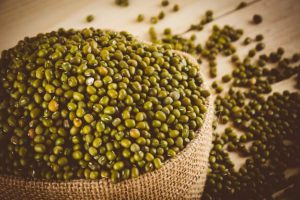
Legumes are an excellent source of iron, calcium, B vitamins, fiber and complex carbohydrates. Legumes are also very high in protein. Choose black beans, great northern beans, kidney beans and chickpeas. As a general rule the darker the bean the better the nutritional value.
Fruits
Freshly squeezed fruit juices and fresh fruit are great sources of vitamins and minerals, in particular Vitamin C. Selecting a good variety of fruits of all colors will ensure the body receives a good variety of essential vitamins. Fruits can be eaten as a snack, in a fruit salad or blended into a smoothie with vegetables.
Lean meats
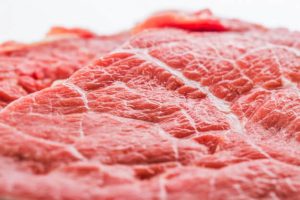
As athletes may find that by eating meat they feel somewhat bloated and ‘heavy’ it is entirely a personal choice whether he or she includes lean meats in their diet. All meat should be kept to a minimum and only eaten when trimmed of fat. An athlete may elect to eat a wholly vegetarian diet but must ensure they get sufficient protein from other food sources.
Provided an athlete consumes a well balanced diet of fresh foods and drinks an adequate amount of water to ensure hydration vitamin supplementation should not be necessary. If, on the other hand, an athlete is concerned that their nutritional needs are not being met by the food they are consuming a multi-vitamin can be beneficial.
Due to the higher activity level of an athlete food should be eaten at regular intervals. Typically 3 meals a day are recommended with a snack between breakfast and lunch, and another snack between lunch and dinner. If more food is required a light snack a couple of hours after dinner should ensure an athlete gets sufficient food intake.
Breakfast is considered the most important meal of the day for the average person but for an athlete the ‘main’ meal of the day may be better suited to lunch. This depends largely upon when the athlete will undertake their main exercise session for the day. An athlete may prefer to begin their day with a protein shake to provide a boost of energy before exercising, leaving the intake of fresh foods until after the exercise session has been completed.
Small, regular meals are preferable to eating 3 large meals. This gives the body the best chance of digesting food properly, which in turn means that the nutritional benefits of the foods can be gained. Eating about every 2 and a half hours has the added advantage of causing an athlete to avoid hunger which can affect blood sugar levels.
Keeping blood sugar as even as possible is not only beneficial to overall health but is essential for keeping emotions even. When an athlete is working hard to improve performance he or she needs to be emotionally armed to put all of their focus on their goal. It can be difficult to focus when the body is not being fed the best ‘fuel’. Trying to deal with the sugar highs and lows that are caused by eating a large meal and then waiting too long before eating again causes the body additional stress. Eating small, regular meals that provide great nutritional value will help keep blood sugar even.
The last meal of the day should be eaten at least an hour before going to sleep. This allows food a chance to be properly digested. Going to sleep with a full stomach reduces the chance for food to digest as the person is lying down. Being physically active after eating is beneficial to the digestive process, even if just a little bit. It isn’t necessary to actually exercise although a walk of around 10 minutes will not only help with digestion but provided the walk is at a gentle, relaxed pace will help the athlete ‘wind down’ before bed. A short walk before retiring to bed for the night will also help the athlete sleep better.

Fresh foods are not the total answer to good nutrition and health though. Water plays an integral part in how well the body functions. Without proper hydration no amount of good quality fresh foods will keep an athlete’s body functioning properly. The recommended amount of water required for the average body daily is 8 glasses, but because athletes are more physically active they require considerably more.
In addition to the recommended 8 glasses an athlete needs to replace water lost through exercise. After every exercise session an athlete should rehydrate thoroughly to ensure his or her body has sufficient water to function properly. Pure water is preferable to flavored water however if an athlete is finding it difficult to get sufficient water intake because they don’t like the taste of pure water adding a little fruit juice can make the taste more palatable. Freshly squeezed orange juice can be a pleasant flavor.
Eating a balanced diet that consists predominantly of fresh foods, drinking plenty of water and getting good quality sleep will ensure that an athlete has the best chance of being in good health. These 3 key factors will go a long way towards ensuring optimum performance regardless of the person’s particular athletic pursuits.